How does CargoWise Container Automation Improve Shipment Visibility and Reduce Manual Tracking?
“The modern supply chain doesn’t slow down for manual processes anymore.”
That line fits today’s freight forwarding reality. Logistics teams handle containers at ports, warehouses, customs checkpoints, and delivery networks, but many still rely on manual tracking via carrier portals, spreadsheets, emails, and follow-ups.
This may work for low shipment volumes. However, as operations grow, manual tracking becomes inefficient, stressful, and error-prone.
This is where CargoWise container automation can help. It simplifies container visibility, milestone tracking, and shipment updates in near real time, allowing teams to reduce manual work and respond more quickly.
What is CargoWise Container Automation?
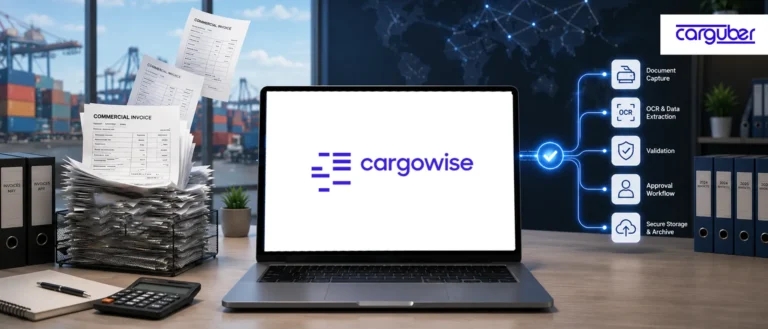
CargoWise Container Automation is an intelligent shipment tracking solution built within the CargoWise ecosystem. It helps automate container visibility and milestone tracking so logistics teams can manage shipment movements more efficiently.
Instead of manually searching for updates, the platform can gather shipment data from connected carriers and logistics providers. Once shipment information has been entered into the system, automated workflows enable continuous tracking, status updates, delay monitoring, and visibility management.
The platform can continuously:
- Track container milestones
- Update shipment statuses
- Monitor delays and disruptions
- Send automated alerts
- Synchronize shipment data across teams
In simple terms, it helps place routine shipment tracking on autopilot.
For logistics teams managing hundreds or thousands of containers, this is a game-changer.
Manual Shipment Monitoring Creates Operational Delays in Logistics Operations
For years, logistics teams used spreadsheets, emails, phone calls, and carrier websites to track shipments.
At smaller volumes, this approach may appear manageable. However, as the number of shipments grows, things become increasingly complicated.
Teams end up:
- Switching between multiple tracking platforms
- Copying shipment updates manually
- Following up with carriers for ETAs
- Updating customers one shipment at a time
- Correcting human errors and duplicate entries
It becomes an endless cycle of reactive work.
And honestly? It exhausts teams.
The bigger issue is that manual tracking causes operational blind spots. When updates arrive late or contain inaccurate information, decisions are also delayed. When updates arrive late or contain inaccurate information, decisions are also delayed. This affects customer satisfaction, delivery planning, warehouse coordination, and overall supply chain efficiency.
The automation helps to change that by automating repetitive tracking tasks and providing teams with faster access to shipment information.
How does CargoWise Container Automation Improve Shipment Tracking?
CargoWise Container Automation makes shipment tracking easier by establishing a more connected and consistent visibility workflow.
The biggest advantage of this is consistency.
Instead of tracking containers manually across different platforms, teams can use automated milestone updates inside CargoWise to monitor shipment progress more efficiently. This helps freight forwarders reduce manual follow-ups and keep shipment records more accurate.
This improves:
- Shipment monitoring
- ETA tracking
- Milestone visibility
- Internal coordination
- Customer communication
For freight forwarders, improved tracking means fewer surprises, faster decisions, and greater control over container movements.
Real-Time Visibility Without the Constant Follow-Up
Here is where automation adds real operational value.
Most logistics professionals are unaware of how much time is spent on repetitive administrative tasks until they are no longer required.
With CargoWise Container Automation, teams no longer need to:
- Monitor carrier websites manually
- Enter milestone updates by hand
- Copy tracking data into spreadsheets
- Send repetitive status update emails
- Chase the routine shipment information
The CargoWise system automates many of these tasks in the background.
This reduces operational workload and allows employees to focus on more important tasks such as exception management, customer relationships, shipment planning, problem-solving, and process improvement.
That is more than just efficiency; it is scalability.
Better Accuracy Means Better Decision-Making
Manual data entry creates mistakes. It’s inevitable.
A missed milestone, incorrect ETA, or duplicate shipment update can quickly create confusion across operations. One wrong update can affect customer communication, delivery planning, and internal reporting.
CargoWise Container Automation helps reduce those risks by standardizing shipment data and improving visibility consistency across the workflow.
The result includes:
- Cleaner shipment records
- More accurate ETAs
- Consistent operational reporting
- Fewer human errors
- Better compliance tracking
Reliable data also increases management visibility.
When leadership teams can rely on operational data, they can make faster and more informed decisions about resource allocation, carrier performance, trade lane optimization, customer service improvements, and operational forecasting.
Accurate information is required to make sound logistics decisions. Automation helps make this possible.
Moving From Manual Monitoring to Exception Management
This is where modern logistics operations are truly evolving.
Without automation, teams monitor all shipments equally. But, in reality, not all shipments require attention.
CargoWise Container Automation supports exception-based management, which means it can notify teams when something requires action.
For example:
- Vessel delays
- Missed transshipments
- Customs holds
- Port congestion
- Delivery disruptions
Instead of tracking every shipment all day, your team can concentrate on exceptions.
That shift transforms everything.
Operations become more proactive, rather than reactive. Teams solve problems faster while reducing unnecessary workload. Employees feel less overwhelmed now that they are no longer drowning in routine tracking tasks.
Improving Collaboration Across the Supply Chain
Logistics relies heavily on communication. However, manual communication slows things down.
When updates rely on emails, calls, or manual reporting, delays happen naturally. Stakeholders may end up working with outdated information, which creates confusion across the supply chain.
CargoWise Container Automation improves collaboration by facilitating the efficient sharing of shipment updates with relevant parties.
That includes:
- Internal operations teams
- Customers
- Freight agents
- Warehouses
- Transportation partners
Everyone stays aligned using the same shipment information.
This creates smoother coordination, faster response times, and fewer communication breakdowns.
And in logistics, clear communication is everything.
Turning Shipment Data Into Strategic Insights
Most businesses believe automation is only about saving time. But there’s another huge advantage: operational intelligence.
CargoWise Container Automation generates valuable shipment data, which can be used to improve performance over time.
Businesses can identify:
- Frequent delay patterns
- High-risk trade lanes
- Carrier performance trends
- Transit time inconsistencies
- Bottlenecks in operations
These insights help companies optimize logistics strategies instead of simply reacting to daily issues.
In other words, automation does more than simply improve visibility. It helps you make better long-term decisions. That provides a significant competitive advantage in today’s fast-paced supply chain environment.
Why does Proper CargoWise Configuration Matter for Better Results?
To fully benefit from CargoWise Container Automation, the system needs to be configured and aligned correctly with your operational needs. Automation works best when shipment milestones, alerts, workflows, carrier data, and internal processes are properly mapped inside CargoWise.
Without the right setup, teams may still face missed updates, inconsistent tracking data, or alerts that do not match real operational priorities.
That is why working with a CargoWise support and helpdesk team can make a significant difference. The right experts can help freight forwarders configure container automation workflows, improve milestone accuracy, set up useful alerts, and align CargoWise with how their teams manage shipments daily.
This ensures that automation is not only enabled but also properly optimized for your business.
Conclusion
Manual shipment tracking may have been effective in the past, but modern freight forwarding requires faster visibility, cleaner data, and smarter workflows. CargoWise Container Automation enables teams to reduce repetitive tracking tasks, improve shipment accuracy, and prioritize exceptions, planning, and customer service.
To achieve the best results, the system must be properly configured around your milestones, alerts, workflows, and operational requirements. Are you ready to reduce manual tracking and improve container visibility with CargoWise? Schedule a call with Carguber today and let us help you build a faster, smarter, and more reliable freight operation.