10 Reasons Your Logistics Business Needs API Integration to Stay Competitive
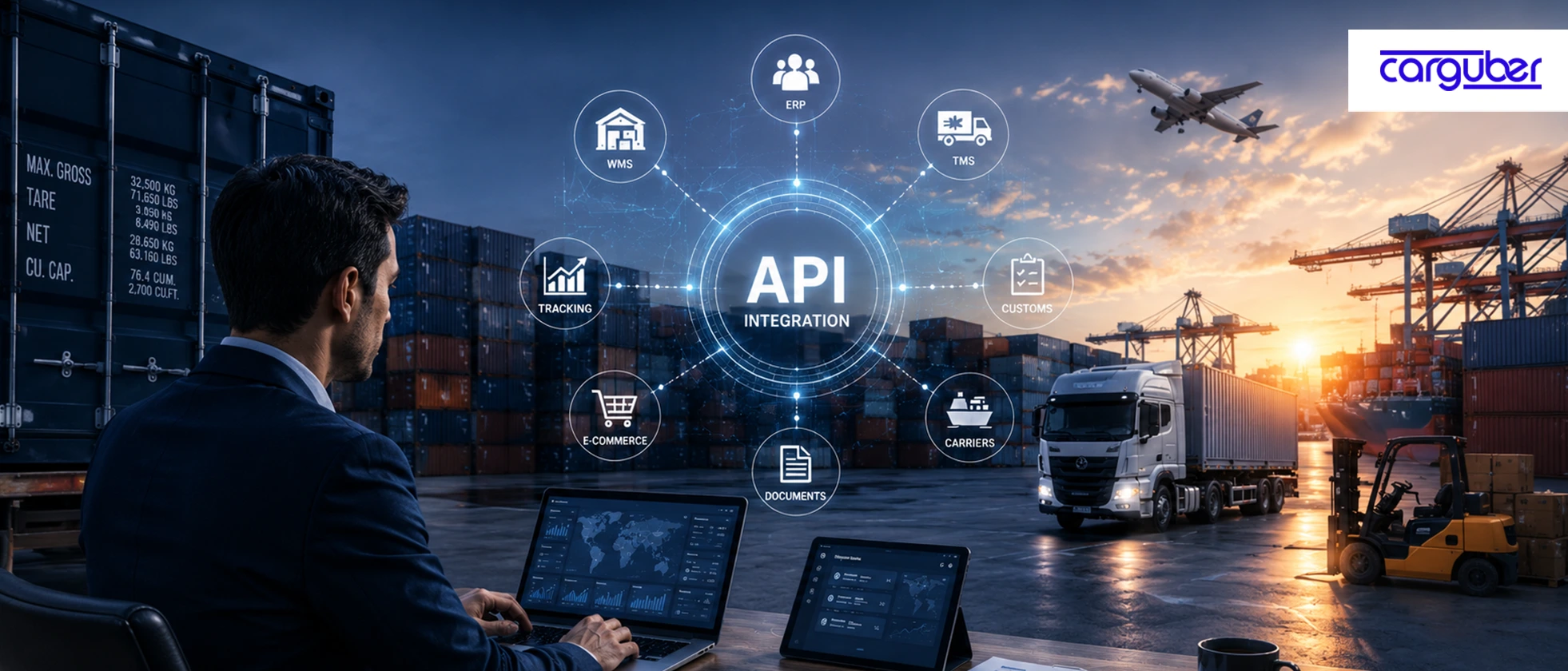
Modern logistics businesses rely on multiple technologies, from ERP, TMS, and WMS systems to finance platforms, customer portals, analytics tools, and third-party applications. However, when these systems operate in isolation, they create data silos, manual processes, and limited business visibility.
API integration connects these systems, enabling smooth data exchange, workflow automation, and better decision-making. As logistics businesses embrace AI, digital transformation, and data-driven operations, a strong API integration strategy is essential for improving efficiency, scalability, and competitiveness.
Here are 10 reasons why your logistics business needs API integration to stay competitive.
1. Connect Disconnected Business Systems
Most logistics businesses rely on multiple systems to manage different areas of their operations.
One platform may handle customer relationships, and another manages finance, while separate applications support freight operations, reporting, inventory, warehousing, or transportation.
Without integration, these systems often function as isolated data silos.
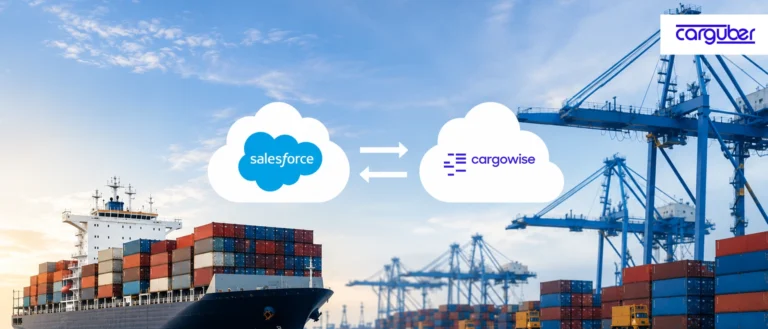
API integration connects these applications and enables them to exchange information. Data generated in one system can automatically become available to another application without employees manually transferring it.
Creating a connected technology ecosystem helps logistics businesses improve collaboration, simplify operations, and make better use of their existing software investments.
2. Automate Repetitive Business Processes
Manual processes continue to consume valuable time across many logistics businesses.
Employees may repeatedly enter the same information into different applications, update spreadsheets, transfer documents, or verify data between systems.
These repetitive activities reduce productivity and increase the possibility of human error.
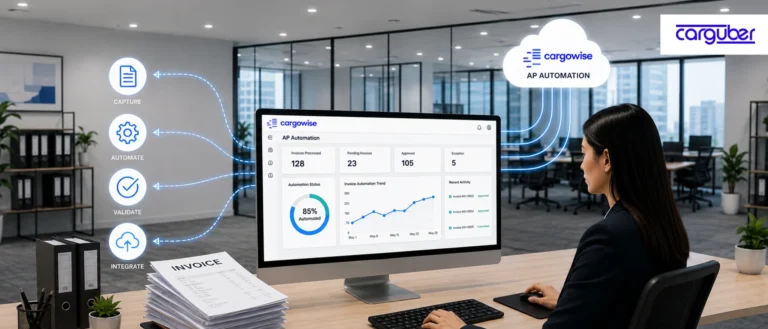
API integration enables logistics companies to automate workflows, data exchange, and collaboration across connected applications.
For example, when information is updated in one system, an API can automatically send the relevant data to other applications.
By eliminating unnecessary manual work, employees can focus on strategic activities that contribute more directly to business growth.
3. Enable Real-Time Data Exchange
Modern logistics decisions cannot always wait for end-of-day reports or manually updated spreadsheets.
Logistics businesses need timely access to accurate information.
API integrations allow data to move between connected systems in near real time. Updates made in one application can quickly become available across other relevant platforms.
This is particularly valuable for businesses managing complex logistics operations where customer activity, financial information, inventory levels, shipments, transactions, and operational performance constantly change.
Faster access to current information allows teams to identify issues earlier, respond to opportunities, and make more informed decisions.
4. Improve Data Accuracy and Consistency
When employees manually transfer information between applications, mistakes can happen.
Duplicate entries, missing information, outdated records, and inconsistent data formats can reduce the reliability of logistics data.
API integration helps establish automated data flows between applications.
Instead of entering the same information multiple times, data can move directly from one system to another based on predefined integration rules.
This creates greater consistency across the organization and gives employees more confidence in the information they use for operations, reporting, and decision-making.
5. Increase Operational Efficiency
Disconnected systems create unnecessary complexity.
Employees may constantly switch between applications, search for information across different platforms, or wait for another department to provide the data they need.
API integration helps simplify these workflows by enabling systems to work together.
Information becomes easier to access, processes move faster, and teams can collaborate more effectively.
Over time, these improvements can significantly increase operational efficiency and help logistics businesses get greater value from their existing technology infrastructure.
6. Create Better Customer Experiences
Customer expectations continue to rise.
Customers expect faster responses, accurate shipment information, greater visibility, and consistent experiences across digital channels.
Delivering these experiences can be difficult when customer and operational information is distributed across multiple systems.
API integration can connect CRM platforms, customer portals, payment systems, support applications, ERP platforms, and other logistics tools.
When employees and digital applications have access to consistent information, logistics businesses can respond to customers more quickly and provide more seamless experiences.
A connected technology ecosystem can ultimately help businesses strengthen customer relationships and improve satisfaction.
7. Support Business Growth and Scalability
Technology requirements change as logistics businesses grow.
A business may need to add new applications, enter new markets, support more customers, process larger data volumes, or connect with additional carriers and partners.
Rigid integration architectures can make expansion complicated and expensive.
Logistics API integration provides a more flexible approach.
Logistics businesses can connect new applications and services without completely rebuilding their existing technology infrastructure.
This scalability allows organizations to adapt their digital ecosystems as business requirements evolve.
Instead of technology becoming a barrier to growth, a well-designed API integration strategy can create a foundation that supports long-term expansion.
8. Accelerate Digital Transformation
Digital transformation involves more than simply implementing new software.
The real challenge is ensuring that modern technologies can work effectively with existing logistics systems.
Many organizations continue to rely on legacy applications that contain valuable operational data but may not easily communicate with newer cloud platforms, mobile applications, analytics solutions, or AI technologies.
APIs can help bridge the gap between legacy and modern systems.
By creating secure connections between different technologies, logistics businesses can modernize gradually instead of replacing their entire technology infrastructure at once.
This approach can reduce disruption while helping organizations move toward more flexible and connected digital operations.
9. Strengthen Data Visibility and Decision-Making
Logistics leaders need reliable information to understand performance and make strategic decisions.
However, when data is scattered across ERP systems, TMS, WMS, CRM platforms, finance applications, and other operational software, gaining a complete view of the business can be difficult.
API integrations can bring information from multiple systems into centralized data platforms, reporting solutions, and BI dashboards.
This gives decision-makers greater visibility into important business metrics and operational trends.
With accurate and timely information available in one place, logistics businesses can identify performance gaps, recognize opportunities, and make more informed strategic decisions.
10. Prepare Your Logistics Business for Future Technologies
Technology continues to evolve rapidly.
AI document automation, machine learning, intelligent automation, cloud platforms, IoT devices, and advanced analytics are creating new opportunities for logistics businesses.
However, adopting these technologies requires access to reliable data and connected systems.
API integration provides the infrastructure needed to connect existing logistics applications with emerging technologies.
For example, APIs can enable AI solutions to access relevant business data, connect automation platforms with operational systems, or allow analytics tools to process information from multiple applications.
Building a strong API integration strategy today can help logistics businesses become more adaptable and better prepared for future technological changes.
API Integration is More than a Technical Requirement
API integration is no longer simply an IT project.
It has become an important part of logistics business strategy.
Connected systems help logistics businesses automate processes, improve data accuracy, increase operational efficiency, deliver better customer experiences, and make faster business decisions.
However, successful API integration requires careful planning.
Logistics businesses need to evaluate their existing technology architecture, identify integration requirements, establish security and governance standards, and design solutions that can scale with future business growth.
Conclusion
As logistics operations become more technology-driven, disconnected systems can limit efficiency, visibility, and growth. API integration helps connect applications, automate workflows, improve data visibility, and prepare businesses for future technologies.
At Carguber, we help logistics businesses build reliable and scalable integration ecosystems tailored to their operational needs.
Ready to connect your logistics systems and improve operational efficiency? Schedule a free consultation with Carguber today.