How can iCustoms–CargoWise Integration Reduce Trade Complexity and Operational Costs?
You know, even minor data errors can cause a shipment to be delayed. A single compliance error can cost thousands of dollars.
For freight forwarders managing large volumes of shipments, trade complexity quickly leads to increased costs. Manual customs processing takes 15-20 minutes per shipment; filing errors affect 2-3% of declarations, and port delays result in increased detention and demurrage fees.
The iCustoms-CargoWise integration addresses these issues by linking customs compliance directly to freight operations. By removing data silos and optimizing workflows, it shortens clearance times, improves accuracy, and lowers operational costs, resulting in a more resilient, scalable trade environment.
Trade Complexity in Modern Freight Operations
Freight forwarders today work in an extremely dynamic environment. They must simultaneously manage international regulations, customs documentation, transportation coordination, financial reporting, and customer service. Without system integration, these responsibilities frequently operate in silos, resulting in inefficiencies and compliance issues.
The following are some of the most common challenges that forwarders face:
- Fragmented systems storing shipment and compliance data separately
- Manual data entry across multiple platforms
- Inconsistent product, tariff, and valuation information
- Delayed customs filings due to missing or incorrect data
- Limited real-time visibility into clearance and compliance status
These inefficiencies cause operational delays, raise labor costs, delay shipment processing, and expose businesses to regulatory penalties. Over time, they also limit scalability and reduce profitability, particularly as shipment volumes increase.
What is iCustoms–CargoWise Integration, and How does it Work?
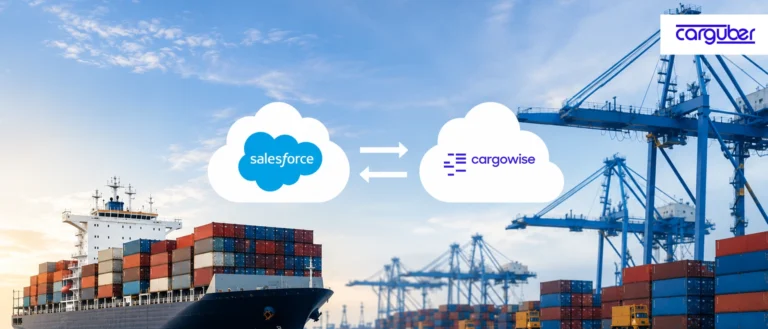
The iCustoms-CargoWise integration connects customs automation and freight forwarding operations via custom APIs and structured data workflows. Rather than treating compliance as a separate function, this integration integrates customs procedures directly into daily logistics activities.
In a connected environment:
- Shipment and order data from CargoWise flows directly into iCustoms
- Customs declarations are generated using real-time operational data
- Clearance status updates sync back into CargoWise dashboards
- Duty and tax values integrate with billing and accounting modules
This bidirectional data exchange eliminates duplicate data entry and ensures that information is consistent across the compliance, operations, and finance teams. Freight forwarders benefit from a more unified trade environment in which information flows automatically rather than through manual handoffs.
Eliminating Data Silos Through Real-Time System Integration
Data silos remain one of the most significant barriers to operational efficiency. When shipment data, customs information, and financial records are stored on separate platforms, teams must manually reconcile the information.
Real-time integration eliminates fragmentation by ensuring synchronized data flow between systems. When iCustoms and CargoWise work together, freight forwarders benefit from the following:
- Consistent product information, shipment references, and invoice values
- Shared data access among customs, operations, and finance teams
- Automated updates across connected platforms
This results in a single source of trade truth, which enhances collaboration and decision-making. Teams can resolve exceptions more quickly, respond proactively to compliance issues, and ensure operational continuity during peak shipping times.
Automate Customs Compliance to Reduce Manual Workload
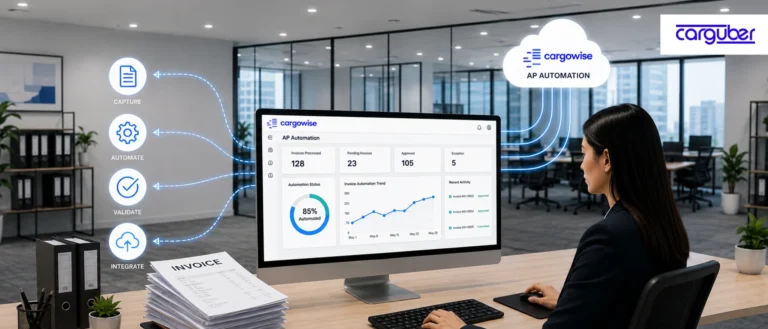
Manual customs processing is resource-intensive and error-prone. Teams frequently spend hours extracting data from documents, creating declarations, and validating regulatory information.
When iCustoms automation is combined with CargoWise, the workload is significantly reduced by the following:
- Declaration fields are automatically filled in based on shipment information.
- Integrated regulatory validation checks
- Automated duty and tariff calculation
- E-filing and submission workflows
This automation enables employees to shift their focus away from routine administrative tasks and toward exception handling, customer communication, and operational optimization. It saves money and increases productivity while maintaining compliance accuracy.
Improving Data Accuracy and Minimizing Compliance Errors
Compliance errors are costly and disruptive. Incorrect classifications, missing documentation, or mismatched invoice values frequently result in shipment delays, penalties, and expensive rework.
The iCustoms–CargoWise integration improves accuracy by enabling the following:
- Automated data transfer without manual re-entry
- Product and shipment information is consistent across all systems.
- Validation of regulatory requirements in real time before submission
By catching potential issues early, freight forwarders reduce rejection rates and avoid downstream corrections. This proactive approach also strengthens audit readiness and enhances long-term regulatory compliance performance.
Faster Clearance Cycles and Shipment Turnaround
In the freight forwarding industry, speed is critical to success. Delays at customs disrupt delivery schedules and raise storage, detention, and demurrage costs.
Integrated workflows speed up processing by supporting:
- Early preparation of customs declarations
- Faster submission deadlines
- Reduced wait times at ports and borders
With real-time access to CargoWise shipment data, iCustoms can start filings earlier in the shipment lifecycle. This shortens clearance cycles, increases shipment velocity, and enables forwarders to meet tighter delivery commitments while maintaining service reliability.
Optimizing Financial Operations and Visibility of Duty Costs
Customs-related costs account for a significant portion of total logistics spending. Without integration, duty and tax data are frequently disconnected from financial systems, making cost tracking difficult and error-prone.
When iCustoms is integrated with CargoWise, financial operations gain the following benefits:
- Automatic synchronization of duty and tax values into billing modules
- Real-time landed cost visibility
- Early identification of cost discrepancies
This increased transparency enables better pricing strategies, accurate invoicing, and more robust profitability analysis. Freight forwarders have greater control over trade-related expenses and can optimize cost structures across trade lanes and customers.
Increasing Scalability and Operational Efficiency
As freight forwarding companies expand, operational complexity rises. Higher shipment volumes, expanding trade lanes, and new regulatory requirements put a strain on teams and systems.
The iCustoms-CargoWise integration improves scalability by enabling the following:
- High-volume processing through automation
- Standardized compliance workflows among branches
- Reduced reliance on manual labor
This enables businesses to expand operations without significantly increasing headcount or overhead costs while maintaining consistent service quality across regions and customer segments.
How does Carguber Add Value?
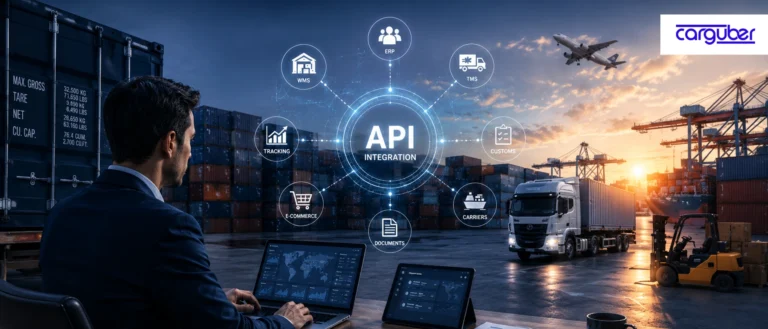
Carguber facilitates this integration by serving as a centralized connectivity layer for iCustoms, CargoWise, and logistics platforms.
Key value drivers include the following:
- API set up across systems
- Intelligent data mapping and transformation
- Automated workflow triggers and error management
- Secure, high-performance data exchange
By managing technical complexity, Carguber ensures stable integration performance and long-term scalability, allowing freight forwarders to concentrate on business growth rather than system maintenance.
Real Business Impact
When iCustoms is integrated with CargoWise, the business value is measured in terms of labor efficiency, compliance accuracy, clearance speed, and profit margins. For example a mid-sized forwarder that handles 1,000 shipments per month:
- Labor savings: Reducing processing time from 15-20 minutes to 6-8 minutes saves approximately 166 hours monthly, which equals nearly $50,000 annually.
- Error reduction: Lowering filing errors from 2% to 0.5% prevents about 15 problem shipments monthly, saving approximately $27,000 per year.
- Delay cost reduction: Avoiding port delays on 400 shipments worth $80 each saves nearly $32,000 per month.
- Margin improvement: A 1% margin gain on $2 million monthly trade volume adds $240,000 per year.
These figures demonstrate that integration generates tangible ROI while reducing operational friction.
Conclusion
The integration of iCustoms and CargoWise goes beyond system connectivity; it allows for faster processing, tighter compliance control, lower operational costs, and scalable freight operations. As trade complexity grows, connected digital ecosystems will determine competitive logistics performance.
If you want effortless integration and smarter trade automation, contact us today to begin your journey toward a more efficient, future-ready freight operation.