How does Integrating ASM Sequoia with CargoWise Create an Efficient End-to-End Customs Process?
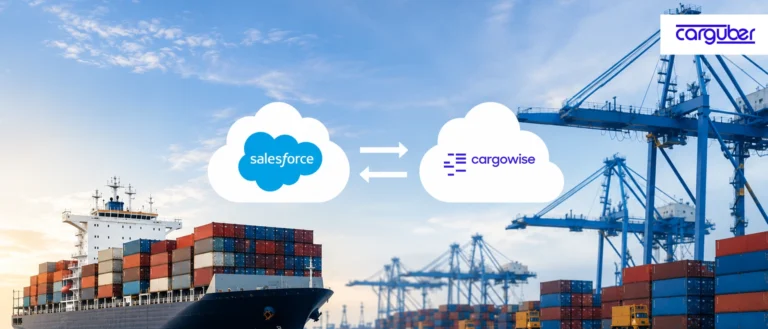
Customs clearance has become one of the most demanding aspects of modern logistics, particularly with the UK’s transition to CDS and stricter compliance checks. Freight forwarders are increasingly reliant on digital systems to manage this complexity, with CargoWise serving as the operational core of forwarding activities and ASM Sequoia as the central platform for UK customs declarations. While both systems are powerful on their own, integrating them results in true operational transformation.
CargoWise and ASM Sequoia: Core Systems for Modern Customs Operations
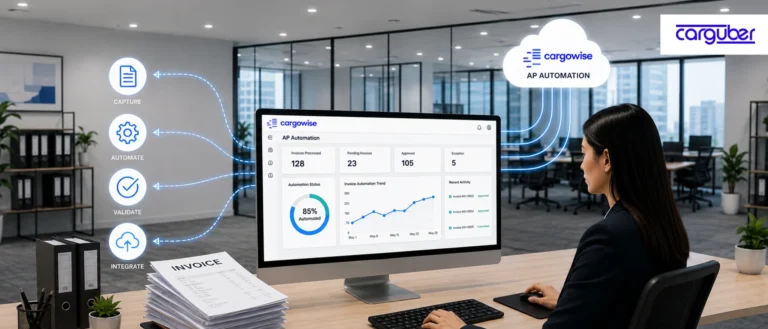
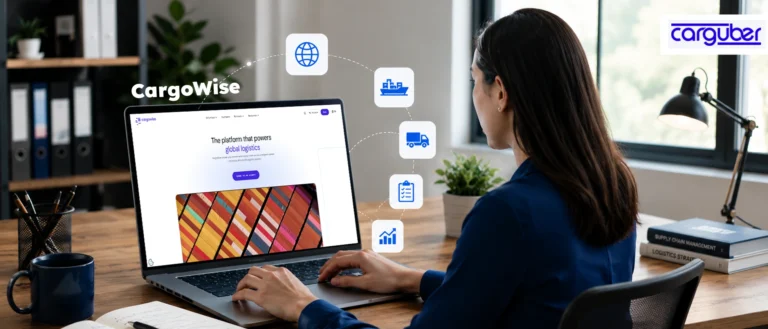
CargoWise is a cloud-based logistics ERP that is commonly used to manage freight operations, including jobs, shipments, documentation, billing, compliance checks, and customer visibility. Its strength is in combining operations and finance into a single system.
On the other hand, ASM Sequoia is a dedicated UK customs platform designed for CDS declarations, transit movements, warehousing, inventory-linked processes, and automated validation. Its ability to check data before submission significantly reduces errors and ensures declarations are compliant.
For a more in-depth understanding of the ASM Sequoia platform, please see our detailed overview of ASM Sequoia.
Together, these systems are essential to running efficient logistics operations. However, when they work separately, teams encounter unnecessary roadblocks that slow customs processing and increase operational risk.
Challenges of Operating CargoWise and Sequoia Separately
Without integration, forwarders must manually transfer shipment, invoicing, and routing data from CargoWise to Sequoia. This repetitive task increases the possibility of errors, delays declaration preparation, and introduces inconsistencies. It also results in disconnected workflows, with operations, finance, and customer service losing real-time visibility into clearance progress.
Without integration, forwarders often face:
- Manual data entry into both systems
- Mismatched or inconsistent information
- Increased CDS rejections and compliance issues
- Delays in customs submission and clearance
- Limited visibility across teams
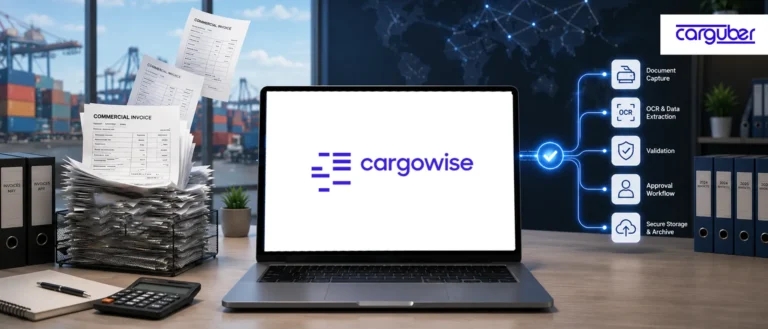
- Scattered customs documents
These challenges increase operational friction and limit the company’s ability to scale.
Benefits of Integrating CargoWise and ASM Sequoia for End-to-End Customs Operations
The integration significantly improves operational performance across departments. Brokers can complete declarations faster because the necessary data is already prepared in Sequoia. Operations can immediately determine whether a shipment has been cleared. Rather than waiting for information, customer service teams can proactively update clients. Finance teams can reconcile duty and VAT data more precisely.
Some of the most impactful benefits include
- Faster customs processing through pre-filled data and reduced manual effort
- Higher accuracy and compliance due to data consistency across systems
- Real-time visibility for operations, customer service, and finance
- Reduced back-and-forth communication across departments
- Improved customer experience through timely and reliable updates
- Stronger audit trails with automatic document storage
These advantages lead to faster turnaround times, better operational control, and higher customer satisfaction.
How does Carguber Build and Support the Full CargoWise-Sequoia integration?
Carguber ensures that CargoWise and ASM Sequoia operate as a single, powerful, synchronized system. Instead of treating integration as a simple connection, Carguber creates a fully aligned workflow that maps data, automates processes, and provides long-term support to your team. Following go-live. This enables customs operations to be faster, more accurate, and require far fewer manual steps.
Integration Design and Data Mapping
We begin by analyzing your operational structure to determine where delays, obstacles, and data inconsistencies exist. Based on their findings, they create a precise integration framework that ensures error-free data transfer between CargoWise and Sequoia.
Key actions include:
- Mapping shipment data, parties, commodities, valuations, and routing
- Aligning CargoWise fields with Sequoia declaration requirements
- Eliminating duplicate data entry through automated sync
- Ensuring compliance-ready data flows into customs declarations
Workflow Automation and System Synchronization
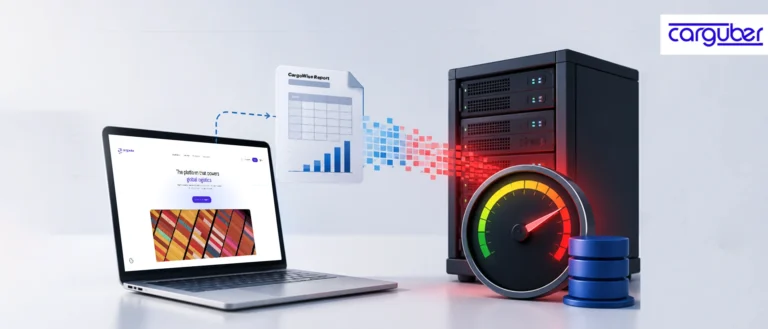
We set up the automation rules that enable real-time communication between the two systems. This eliminates manual processing and ensures that customs activity prompts operational actions immediately.
Workflow automation includes:
- Auto-transfer of CargoWise shipment data into Sequoia
- Real-time customs status updates returning to CargoWise
- Automatic syncing of customs documents and CDS responses
- Trigger-based actions: clearance notifications, billing steps, task creation
Testing, Deployment, and Stabilization
We thoroughly test each workflow using real-world shipment scenarios to ensure reliability and accuracy before launching.
Testing and launch activities include:
- Verifying correct data mapping and field accuracy
- Simulation of multiple customs scenarios
- Milestone and status validation inside CargoWise
- Controlled deployment with live monitoring
Long-Term Support and Optimization
Integration does not end with go-live. We offer ongoing optimization to accommodate regulatory updates, workflow changes, or increased shipment volumes.
Continuous support includes:
- Updating flows for CDS or CargoWise changes
- Enhancing automation based on new operational needs
- Monitoring performance and resolving exceptions
- Scaling the integration as your business grows
By developing and supporting a fully integrated CargoWise-Sequoia workflow, we assist logistics companies in eliminating manual tasks, reducing errors, gaining real-time visibility, and transforming customs clearance into a fast, predictable, and scalable process. It’s more than just integration; it’s the foundation for a smarter, more connected supply chain.
Who Benefits Most From Integration?
A more effective customs procedure benefits almost all forwarders: companies that handle large shipment volumes, oversee frequent imports or exports from the UK, or run several branches will particularly benefit from this integration. Automation, accuracy, and customer satisfaction give businesses a competitive edge because this integration reduces manual labor and increases team consistency.
The integration is ideal for:
- High-volume customs teams
- UK import/export forwarders
- Forwarders scaling operations
- Businesses aiming to reduce manual handling
- Customer-centric organisations need fast updates
- Companies focused on compliance and audit readiness
For these businesses, integration is a long-term investment in operational efficiency.
Conclusion
Integrating ASM Sequoia with CargoWise removes operational barriers that slow down customs clearance. It automates manual processes, connects teams with real-time data, and provides the accuracy required for compliance. Forwarders benefit from this integration, which gives them a future-ready customs workflow that is faster, smarter, and more transparent from beginning to end.
Customs doesn’t delay freight; disconnected systems do. Integration helps forwarders stay ahead. Ready to unify your customs workflow? Contact us today to optimize your CargoWise–Sequoia operations.