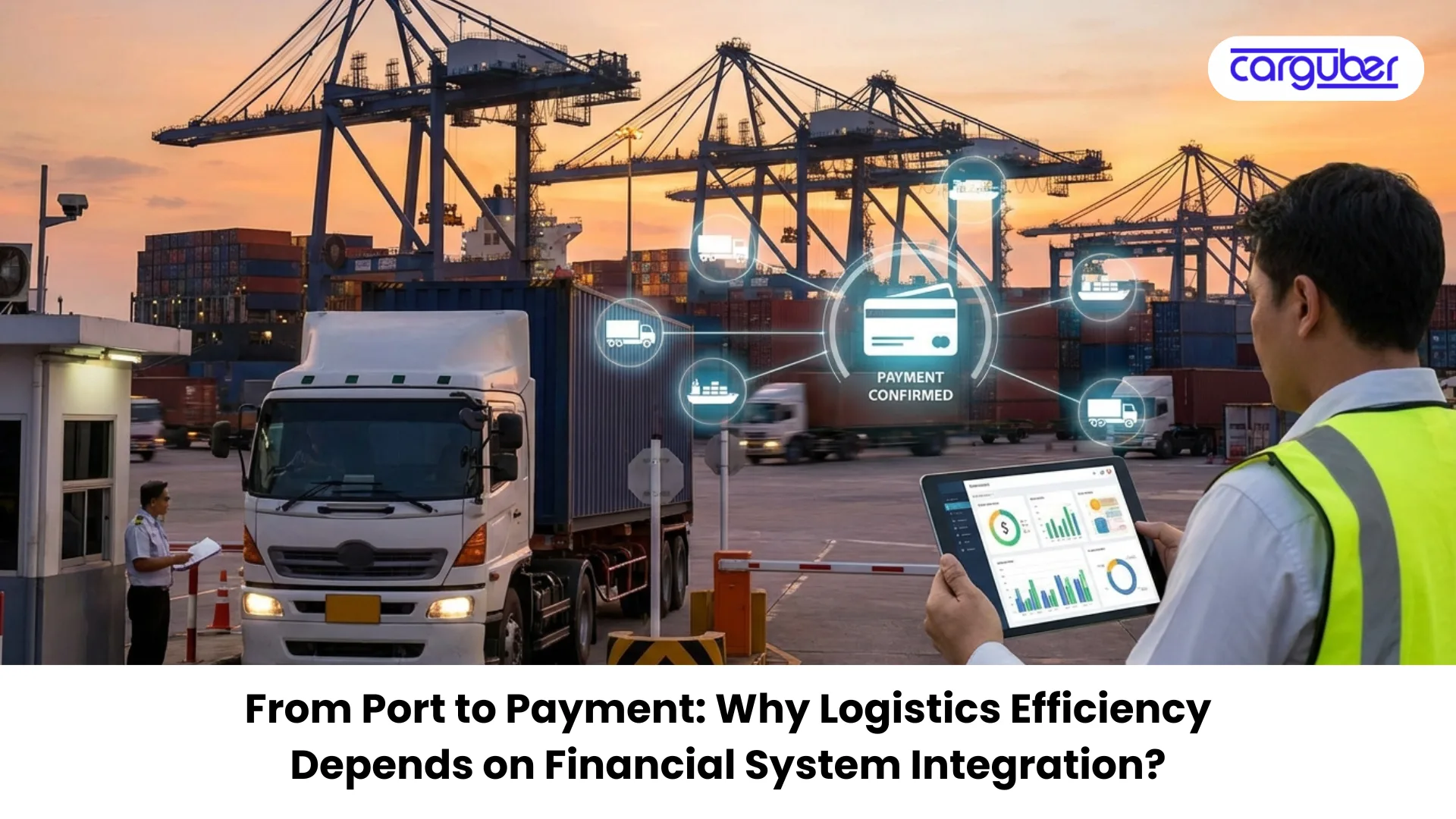
Moving cargo from port to destination is only half the job. Getting paid accurately and on time is the other half.
But the real issue is this:
Are your logistics operations and financial systems truly integrated?
Because nowadays, efficiency means more than just how quickly goods are moved. It is determined by how the financial system integrates with the external ERP and how smoothly your data, invoices, and payments flow.
📊 What’s Changing in Logistics Right Now?
There is a clear shift taking place throughout the industry.
Logistics companies are now focused on end-to-end efficiency, from shipment execution to financial closure.
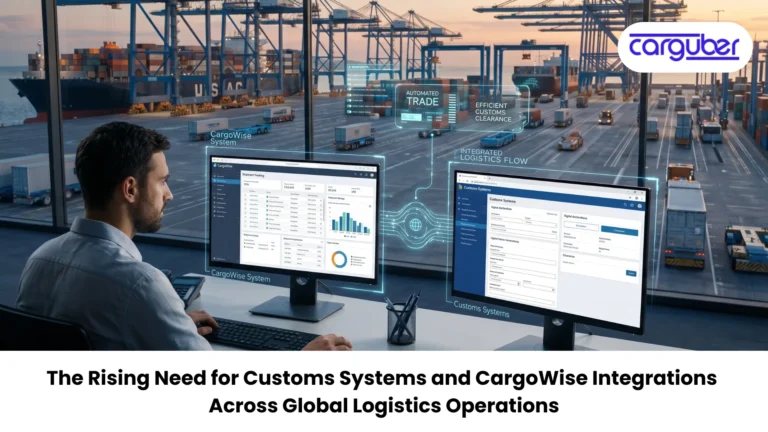
Even platforms like CargoWise are increasingly being used as a foundation to connect financial workflows, rather than just operations.
Here’s what we’re seeing:
- 📈 Growing demand for real-time financial visibility
- ⏳ Faster invoicing cycles becoming a competitive advantage
- 💰 Pressure to reduce revenue leakage and billing errors
- 🔗 Increasing need to connect logistics systems with finance platforms
In short, operational speed is no longer sufficient; financial flow is equally important.
📉 Where does the Disconnect Still Happen?
Many logistics businesses still have a gap between operations and finance.
Think about a typical setup:
- Shipments are managed in systems like CargoWise
- Costs and revenue are tracked separately
- Invoices are processed manually or delayed
- Finance teams depend on exported reports
And the end result?
- ⏳ Delayed invoicing and cash flow
- 📉 Missed or incorrect billing
- 🔍 Limited visibility into actual profitability
- 🔄 Rework and manual corrections
👉 Sound familiar?
🔍 Why is Financial System Integration Important Now?
Modern logistics is more than just moving freight; it is also about connecting operational data to financial outcomes in real time.
When systems are integrated.
- 💰 Costs and revenue flow directly from operations
- 📊 Invoices are generated faster and more accurately
- 🔄 Data doesn’t need to be re-entered
- 📈 Financial performance reflects real operational activity
This is where true efficiency begins.
🚢 From Shipment to Payment: An Ideal Flow Looks Like
Let’s simplify it.
A connected logistics-finance process should look like this:
- Shipment created in CargoWise
- Costs captured during operations
- Revenue calculated based on services
- Invoice generated without delay
- Payment tracked and reconciled
This flow cannot continue without integration. Integration makes it seamless.
🤔 Quick Reality Check
Take a moment and ask yourself:
- Are your invoices directly linked to your shipment data?
- Do operations and finance teams work from the same system view?
- Can you track revenue and costs in real time?
- How much time is spent fixing financial errors?
If these answers are unclear, there is likely a problem in your process.
📊 What Efficient Logistics Companies are Doing Differently?
Today’s most efficient teams focus on one thing: connecting their systems.
They are:
- integrating operational systems with financial systems like SAP, Xero, and QuickBooks.
- Automating invoice creation and validation
- Reducing manual data handling
- Ensuring real-time visibility into revenue and costs
This approach doesn’t just improve operations; it improves cash flow, accuracy, and decision-making.
🚀 What Happens When You do it Right?
When logistics and finance work together:
- 📈 Faster invoicing cycles
- 💰 Improved cash flow
- 🔍 Better visibility into profitability
- ⚡ Reduced manual effort and errors
- 📊 Stronger control over operations
Your business will become more scalable and predictable.
🚀 Final Words
Logistics efficiency today is no longer just about speed on the ground. It’s about how well you connect:
- Operations
- Financial data
- Invoicing
- Payments
Because every step, from port to payment, is critical. Want to connect your logistics and financial workflows more efficiently? Get the right logistics support and helpdesk to simplify your systems, reduce manual labor, and boost end-to-end productivity. Allow your team to focus on growth while the appropriate support handles the complexities.